
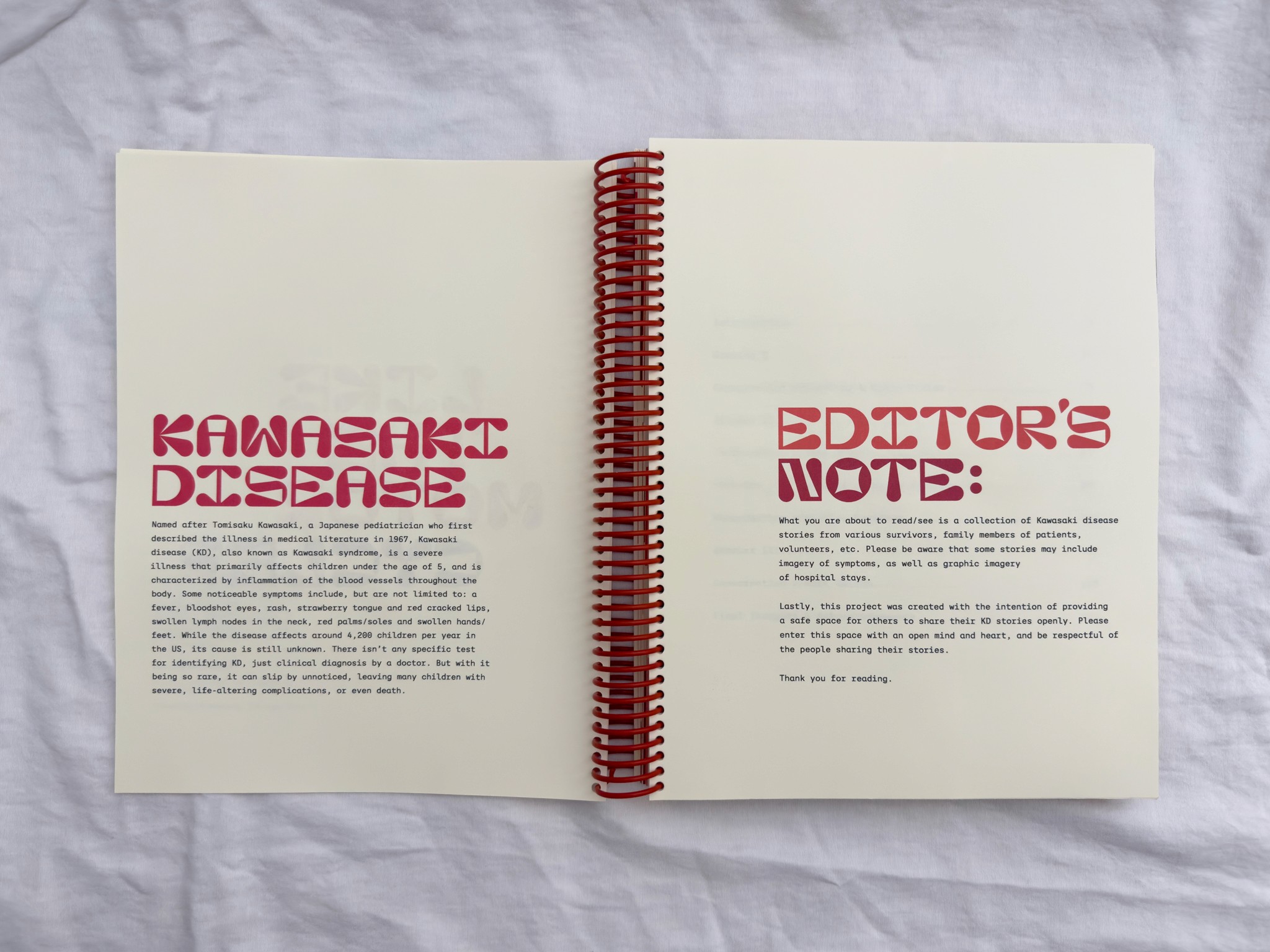
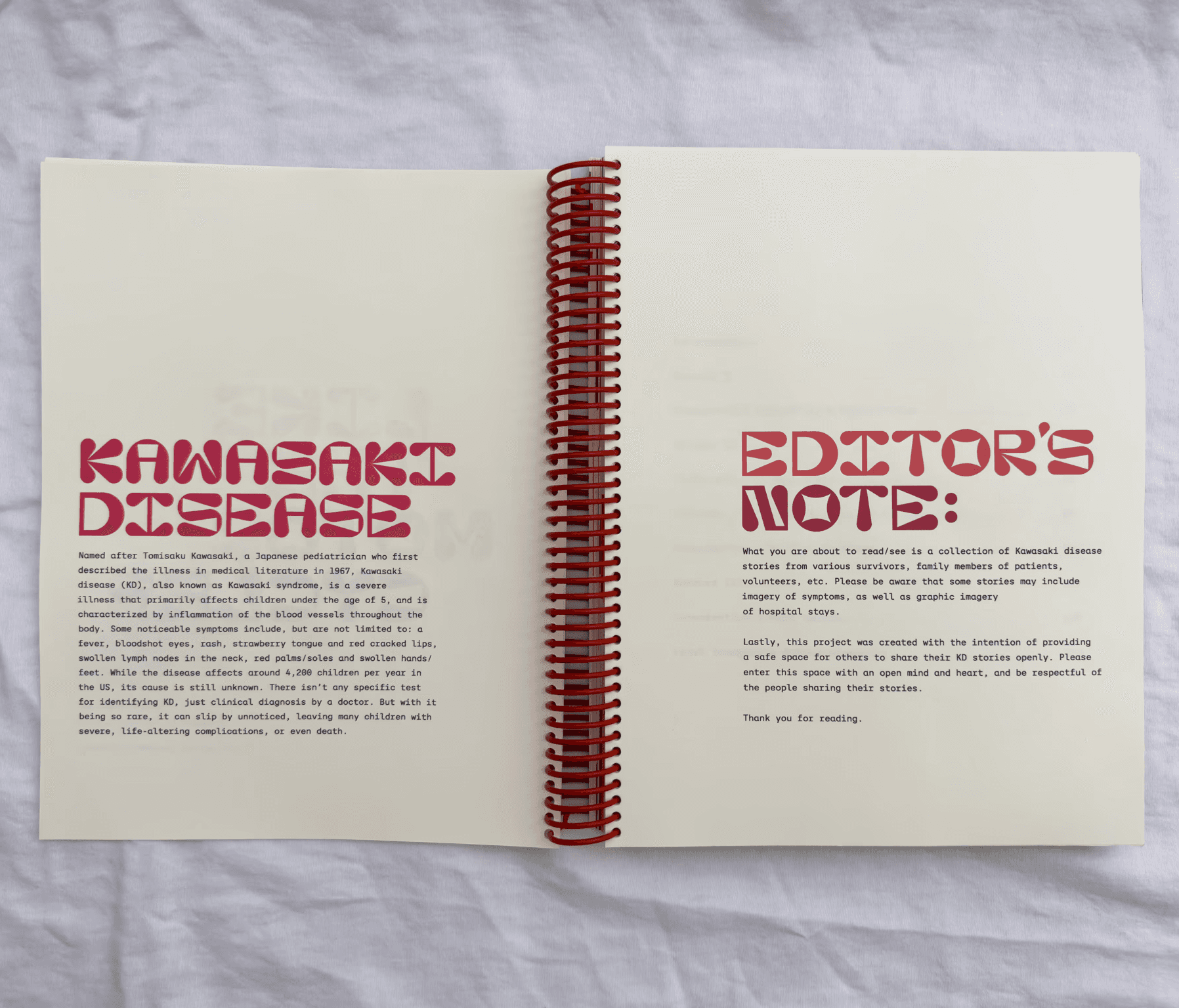
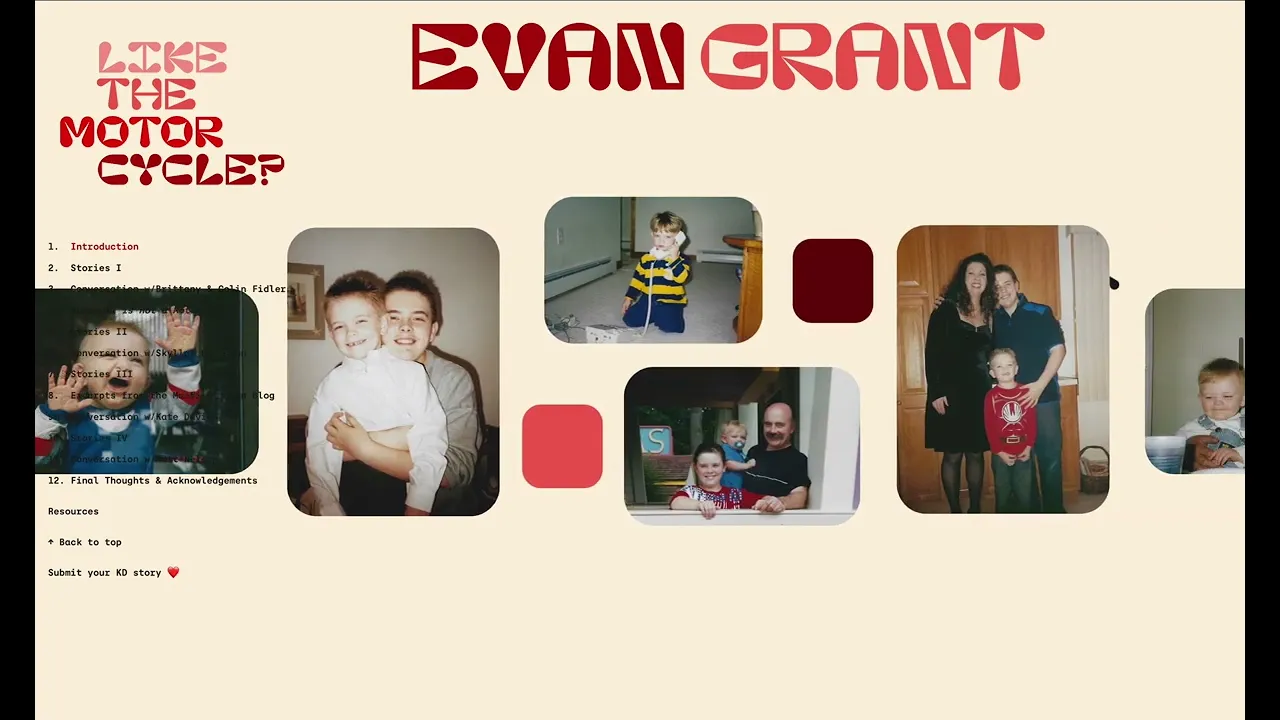
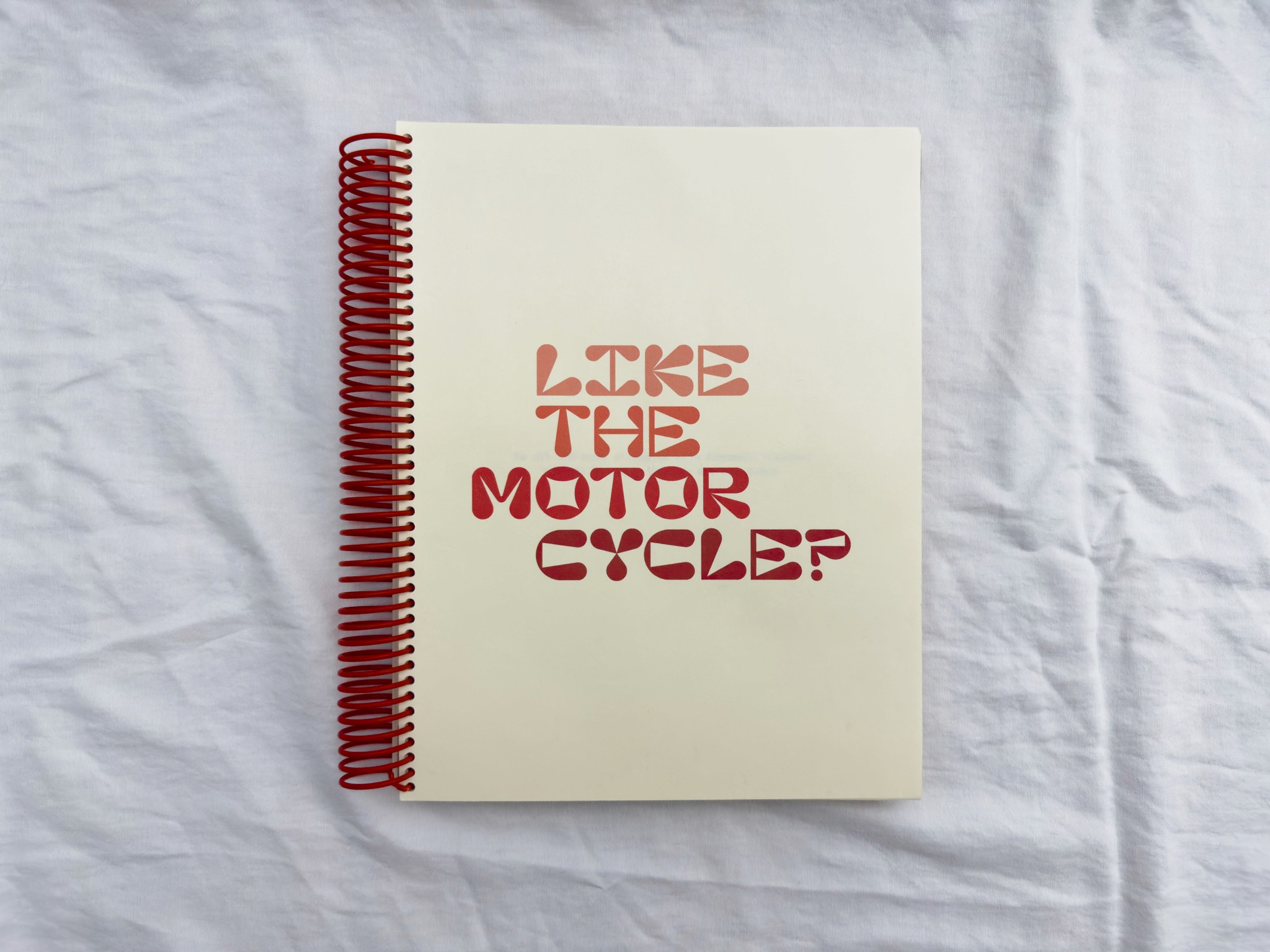
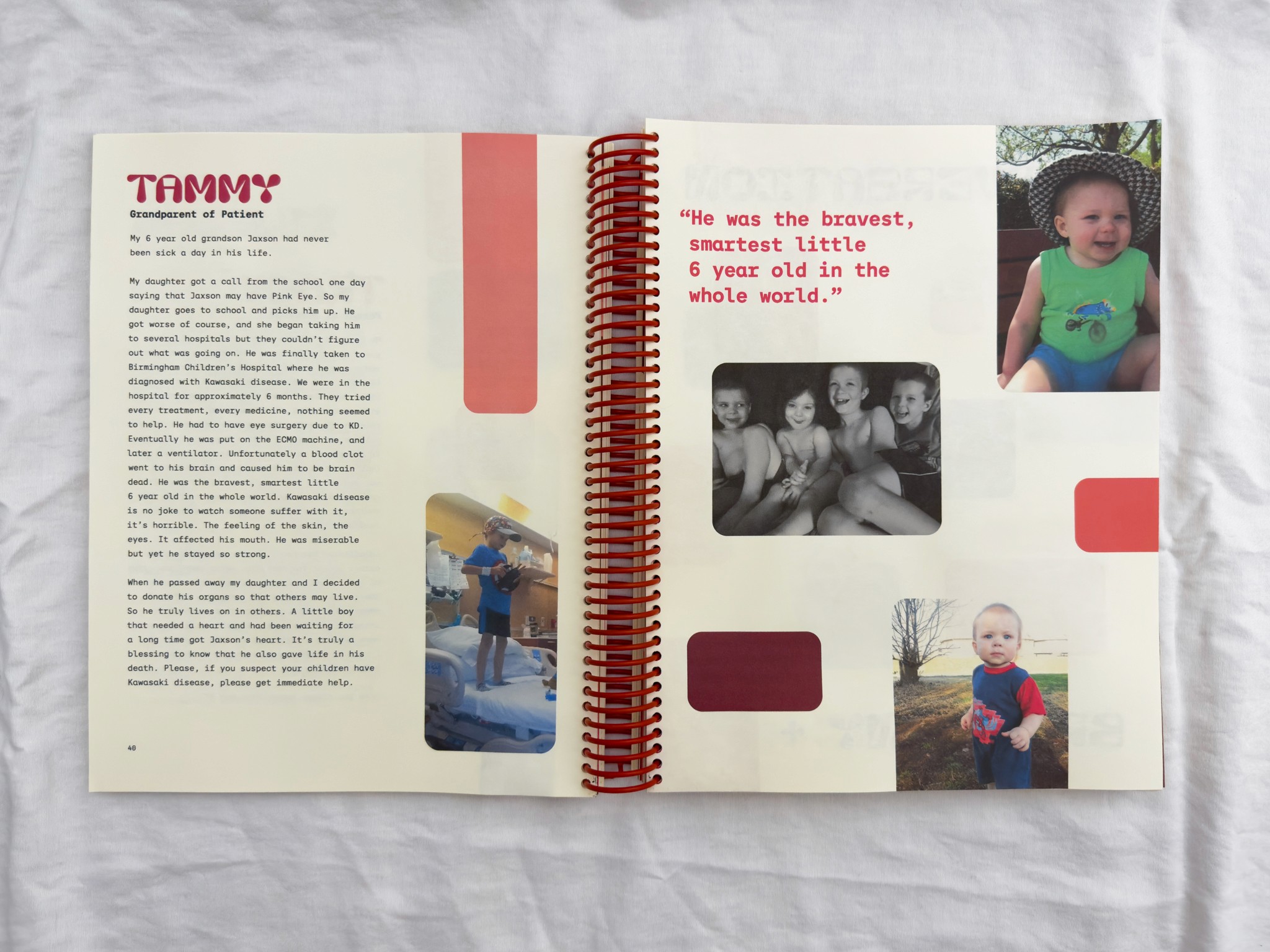
Originally conceptualized for my senior capstone project, Like the Motorcycle? is an ongoing project created to raise awareness of Kawasaki disease, and the mental and emotional trauma it leaves in its' wake. It currently consists of over 40 Kawasaki disease stories and conversations.
Named after Tomisaku Kawasaki, a Japanese pediatrician who first described the illness in medical literature in 1967, Kawasaki disease (KD), also known as Kawasaki syndrome, is a severe illness that primarily affects children under the age of 5. It is characterized by inflammation of the blood vessels throughout the body, and some noticeable symptoms include fever, bloodshot eyes, rash, strawberry tongue and red cracked lips, swollen lymph nodes in the neck, red palms/soles, and swollen hands/feet. While the disease affects around 4,200 children per year in the US, its cause is still unknown. There is not any specific test for identifying KD, just clinical diagnosis by a doctor, but with it being so rare, it can slip by unnoticed leaving many children with severe, life-altering complications, or even death.
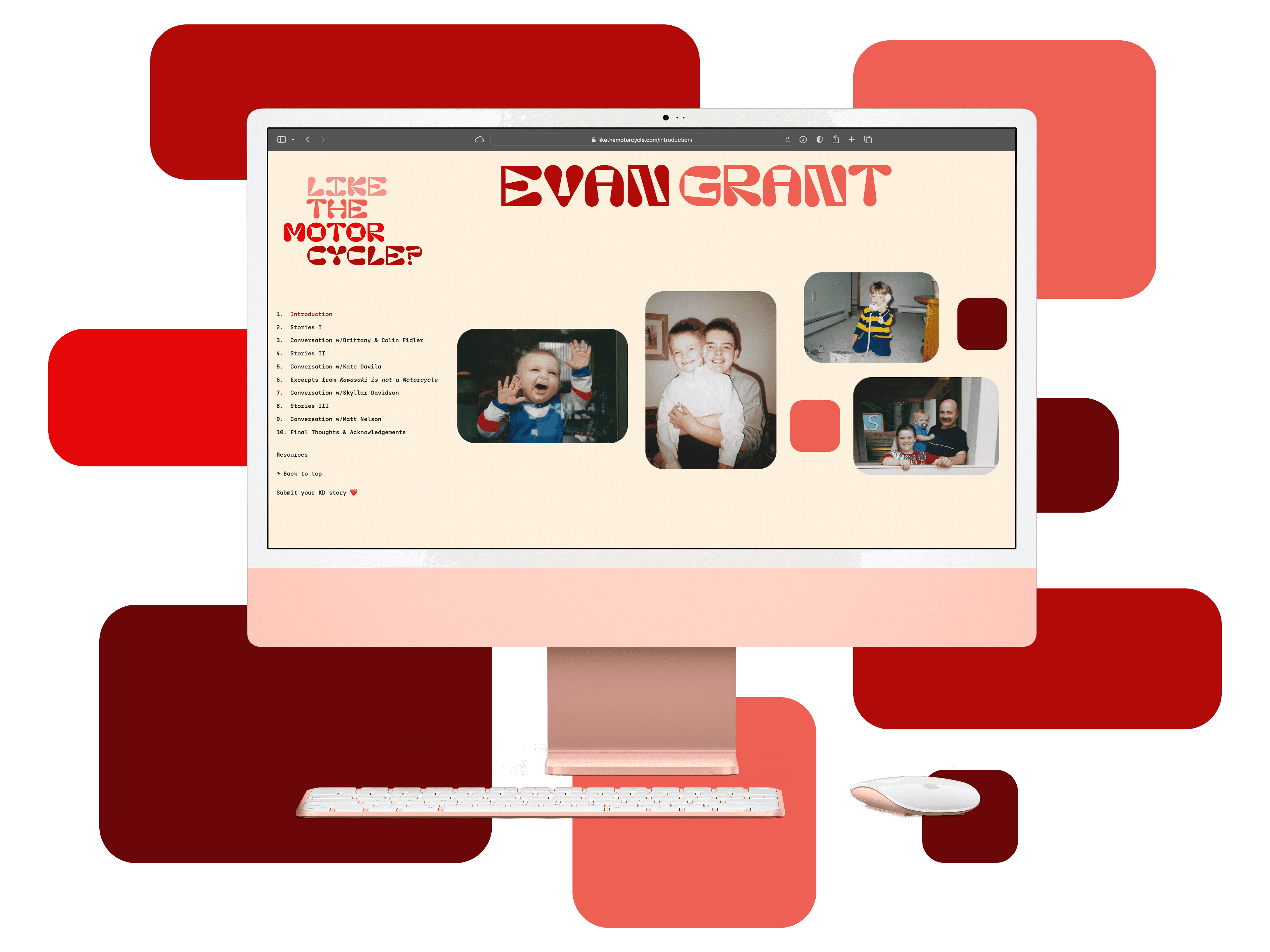
But there’s more to Kawasaki Disease than the physical damages it may leave behind. I was diagnosed with KD at two and a half years old in 2004, and even after being treated, my family and I experienced years of mental and emotional trauma that we had to process.
In an effort to raise awareness of these kinds of mental and emotional effects KD can have, I have created a project in collaboration with the Kawasaki Disease Foundation where we (survivors, family members, doctors, researchers, volunteers, etc.) can share our stories together, titled, Like the Motorcycle?
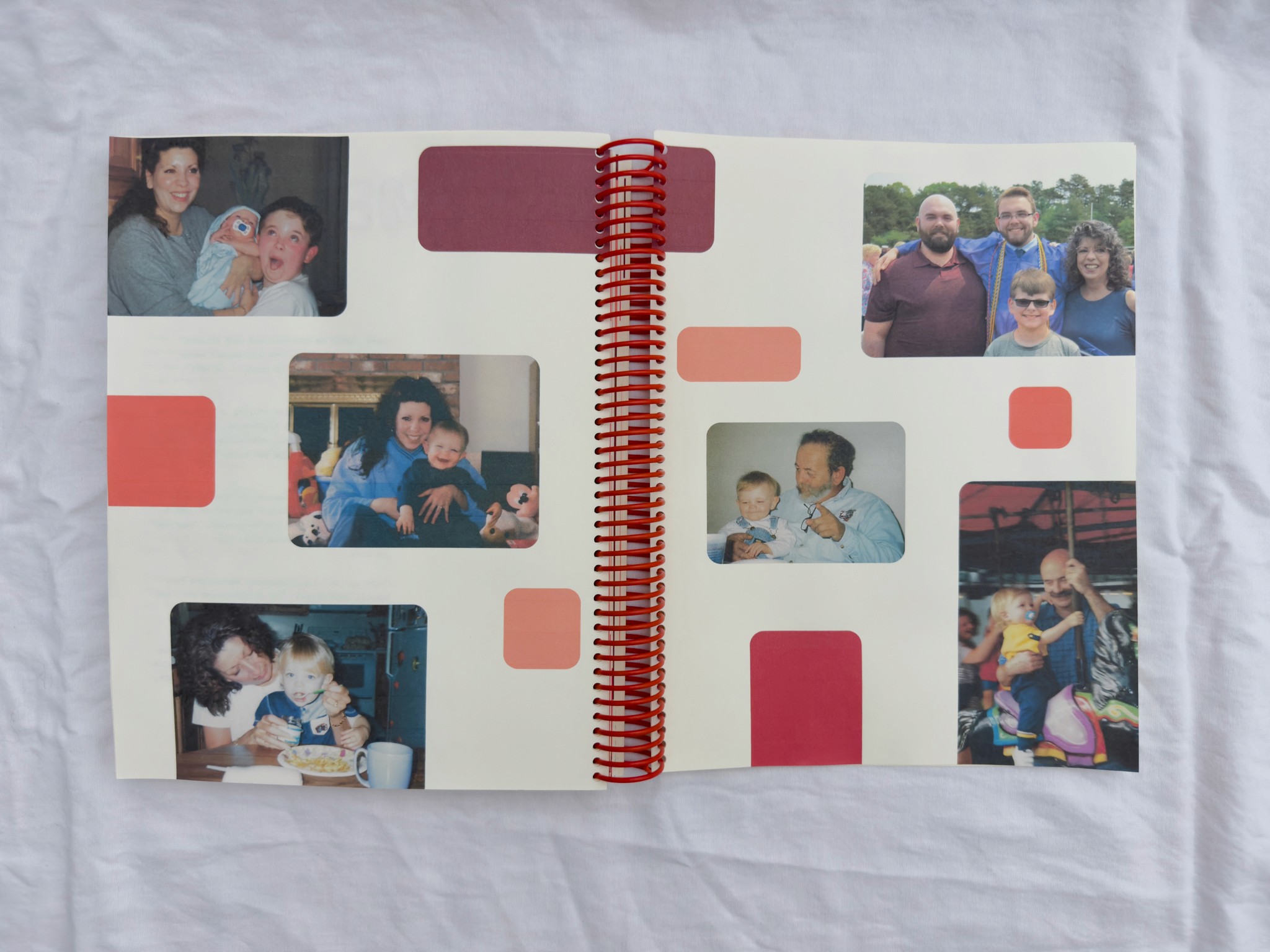
Through design, typography, and shared imagery, I aim to subvert the traditional assumptions that are made when discussing illnesses and reintroduce the humanity—the real people experiencing their trauma—back into the conversation. Those experiences and stories that get lost in the data are just as important; We are more than just numbers.
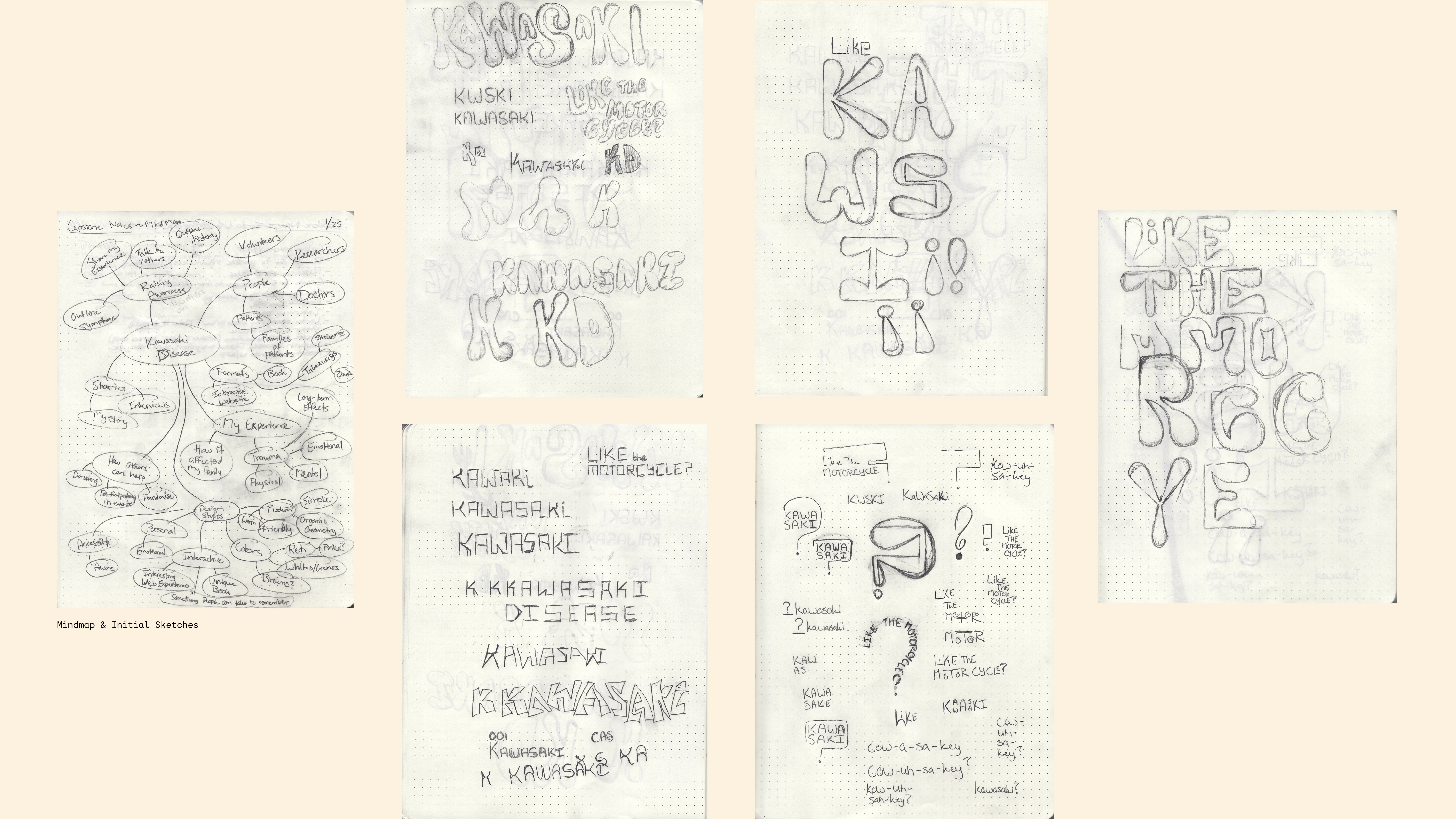
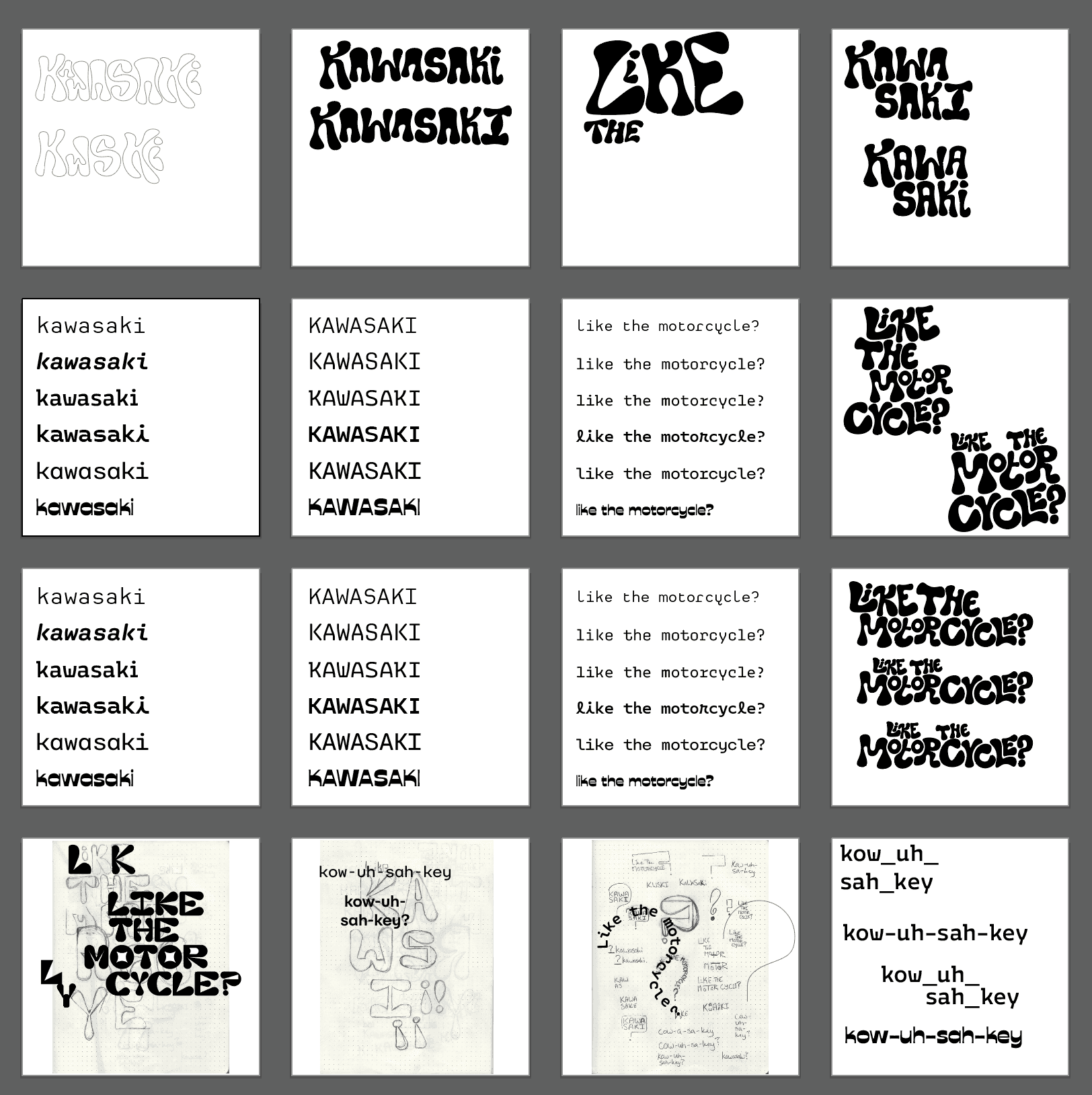

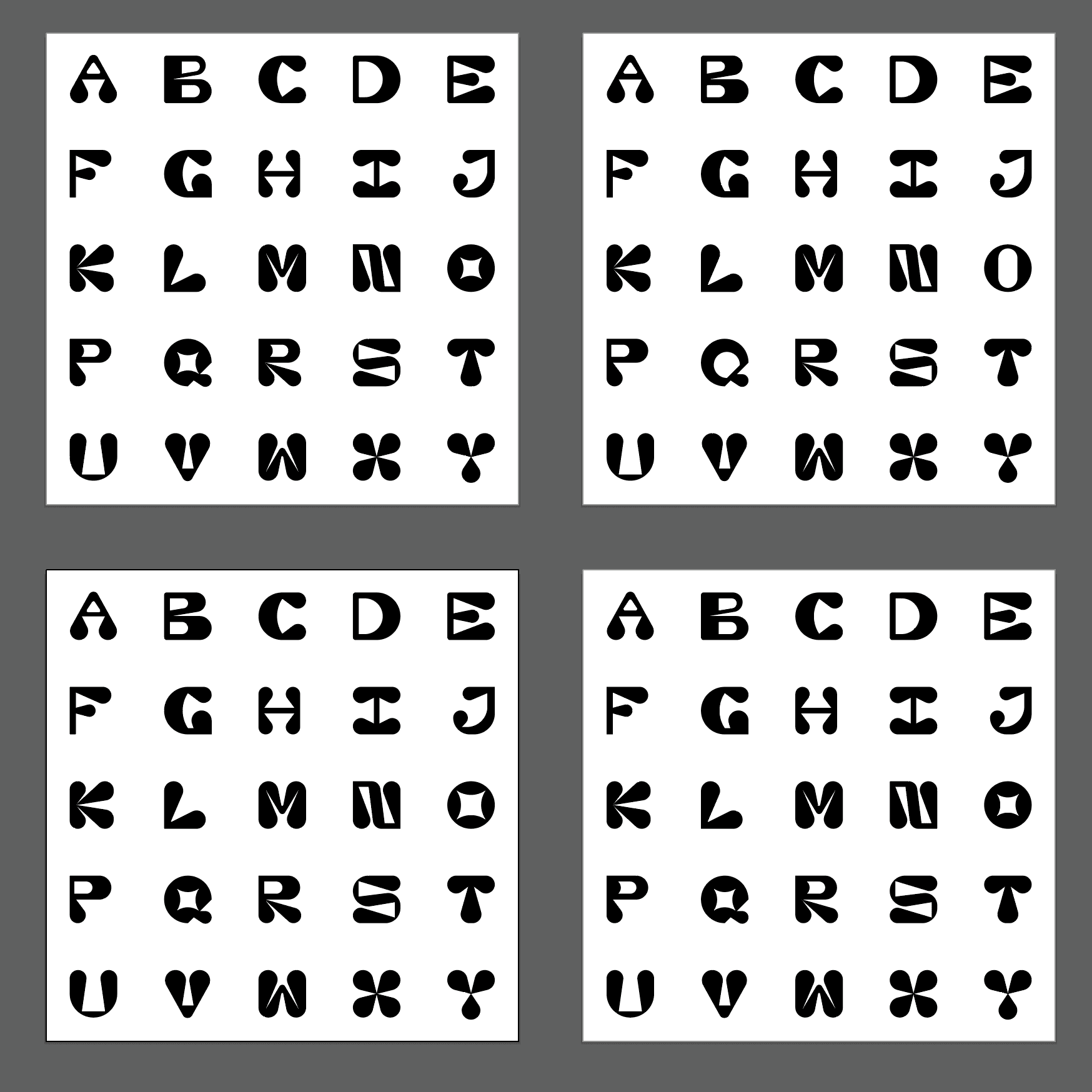
Typeface Iterations

Finalized Typeface
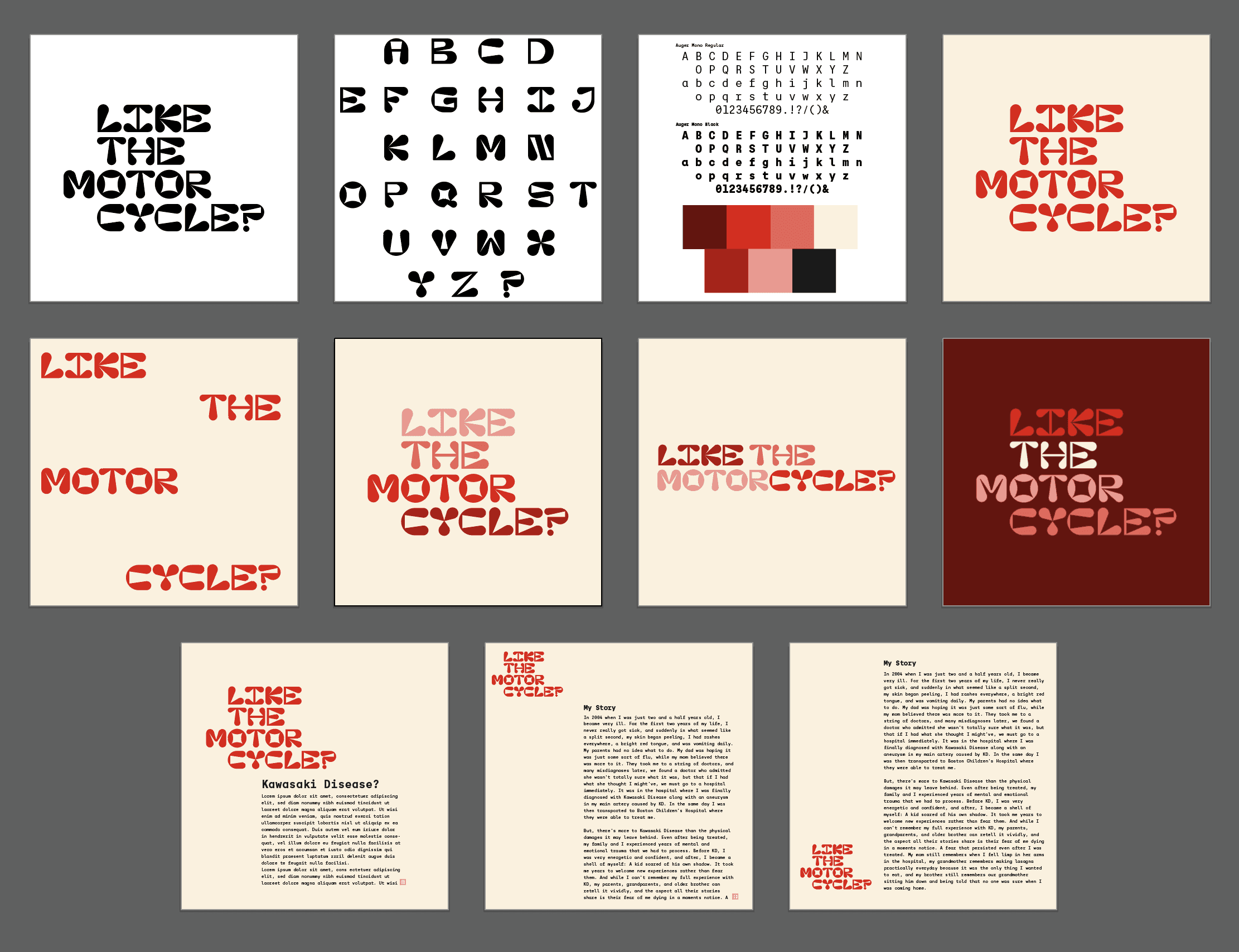
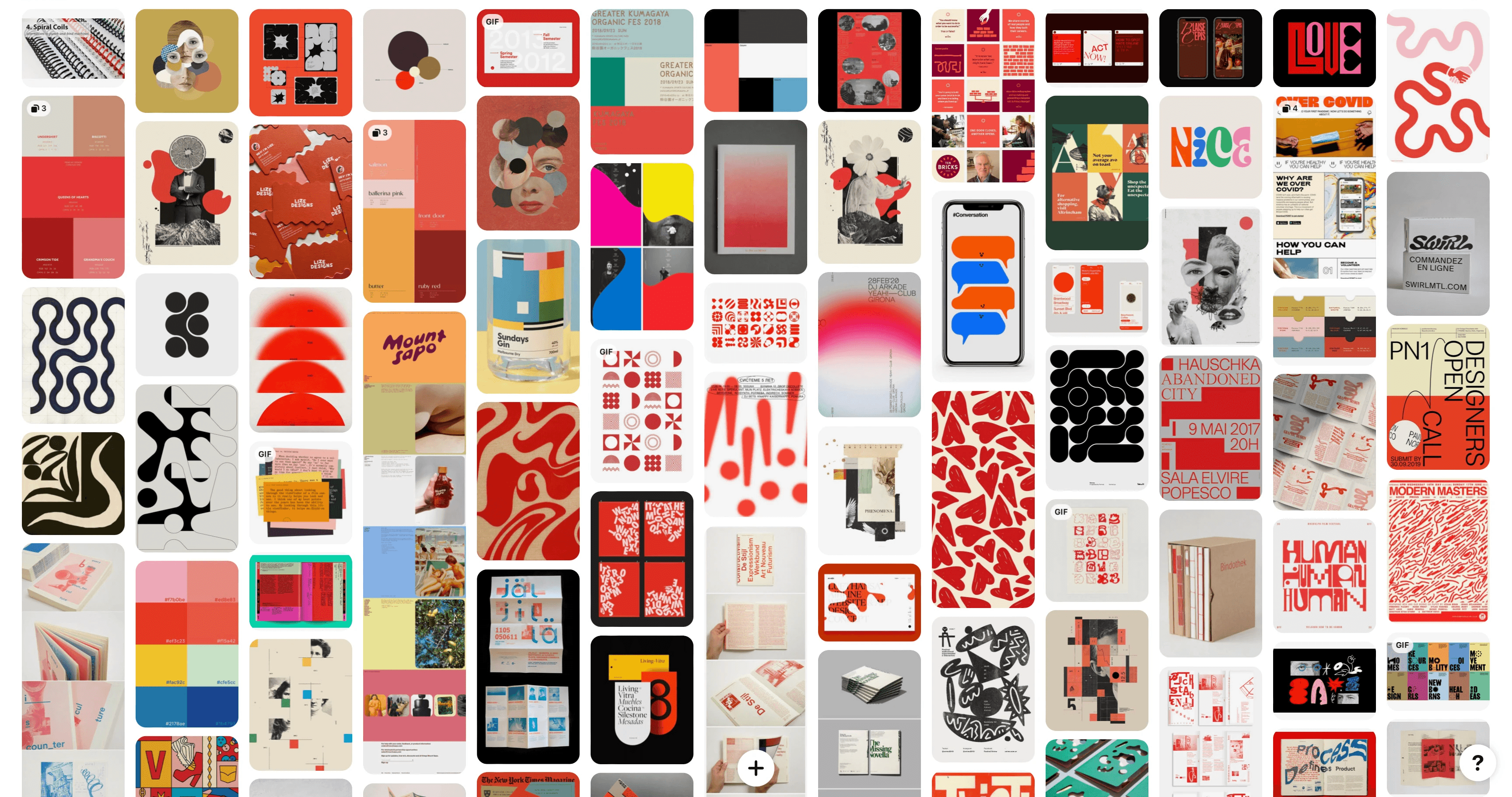
Finalized Identity & Assets
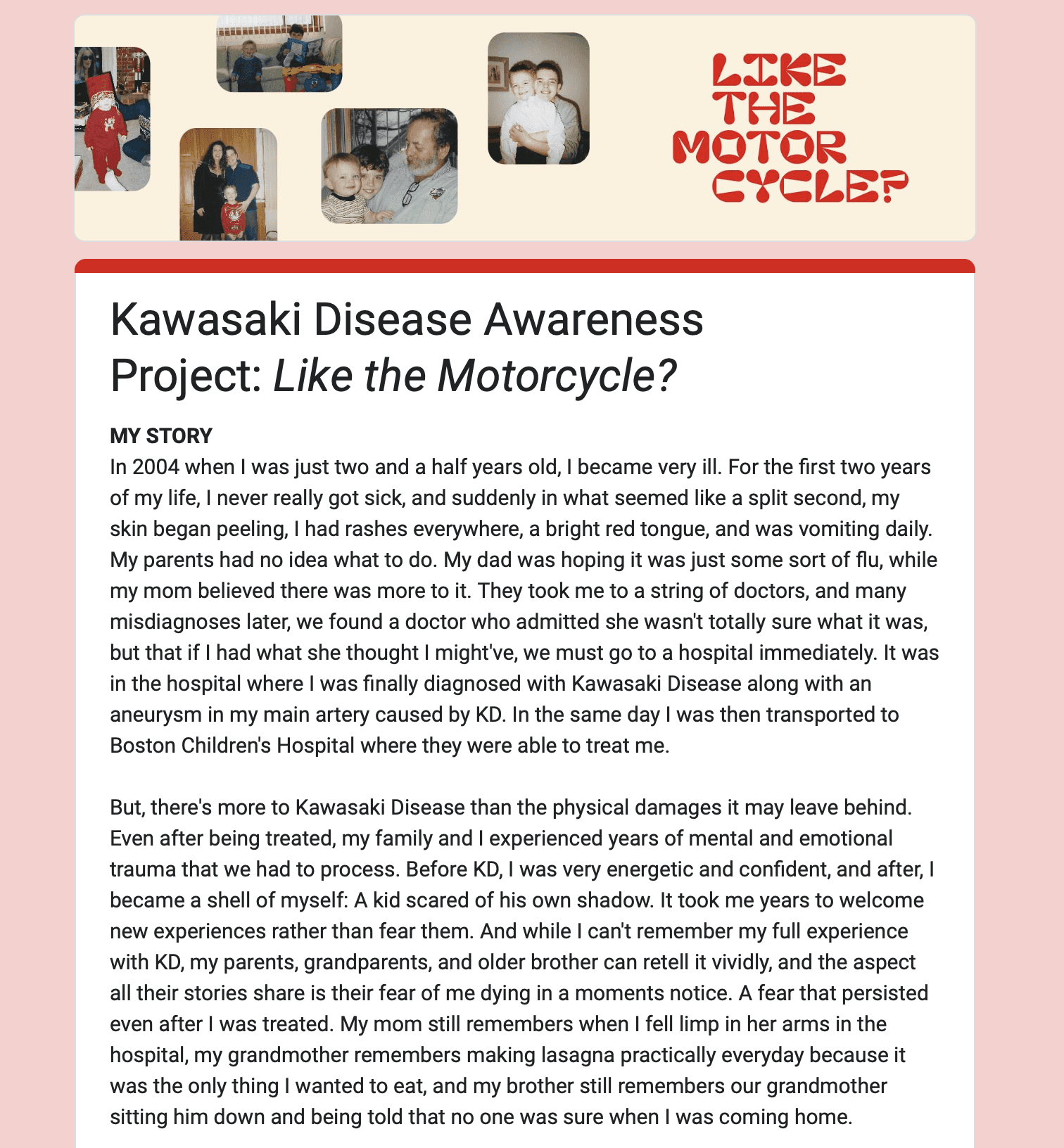
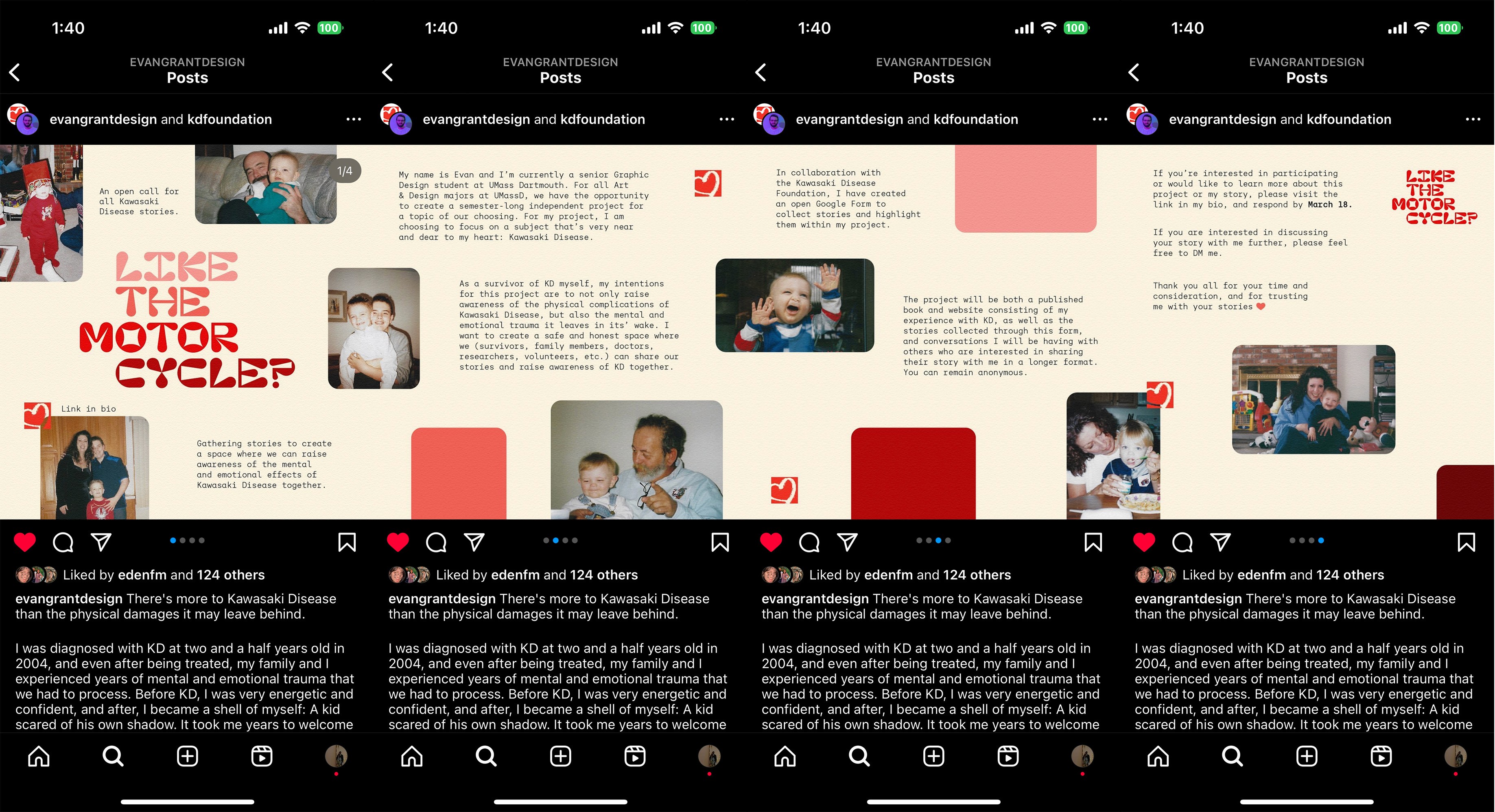
Creating and announcing the open form was a crucial step in the creation of Like the Motorcycle?
It was my first steps of describing my story before writing it into the project, and also my first time confronting Kawasaki disease publicly. But I knew how important it was to share with others my story—To let others know they are not alone in their trauma, and that I am not asking for their stories selfishly. We give back what we receive, and for me to ask for others’ experiences without sharing my own is not at all what this project stands for.
After creating the form, I created an announcment post for Instagram and Facebook, and shared it with various KD support groups. Many friends, CVPA faculty and alumni, and general public shared the post on their Instagram stories and Facebook, and the KDF sent out an email blast to their subscribers. Over just three days, the form garnered 40 responses, with others even reaching out to me personally wanting to share their stories with me in conversation.
Final Results
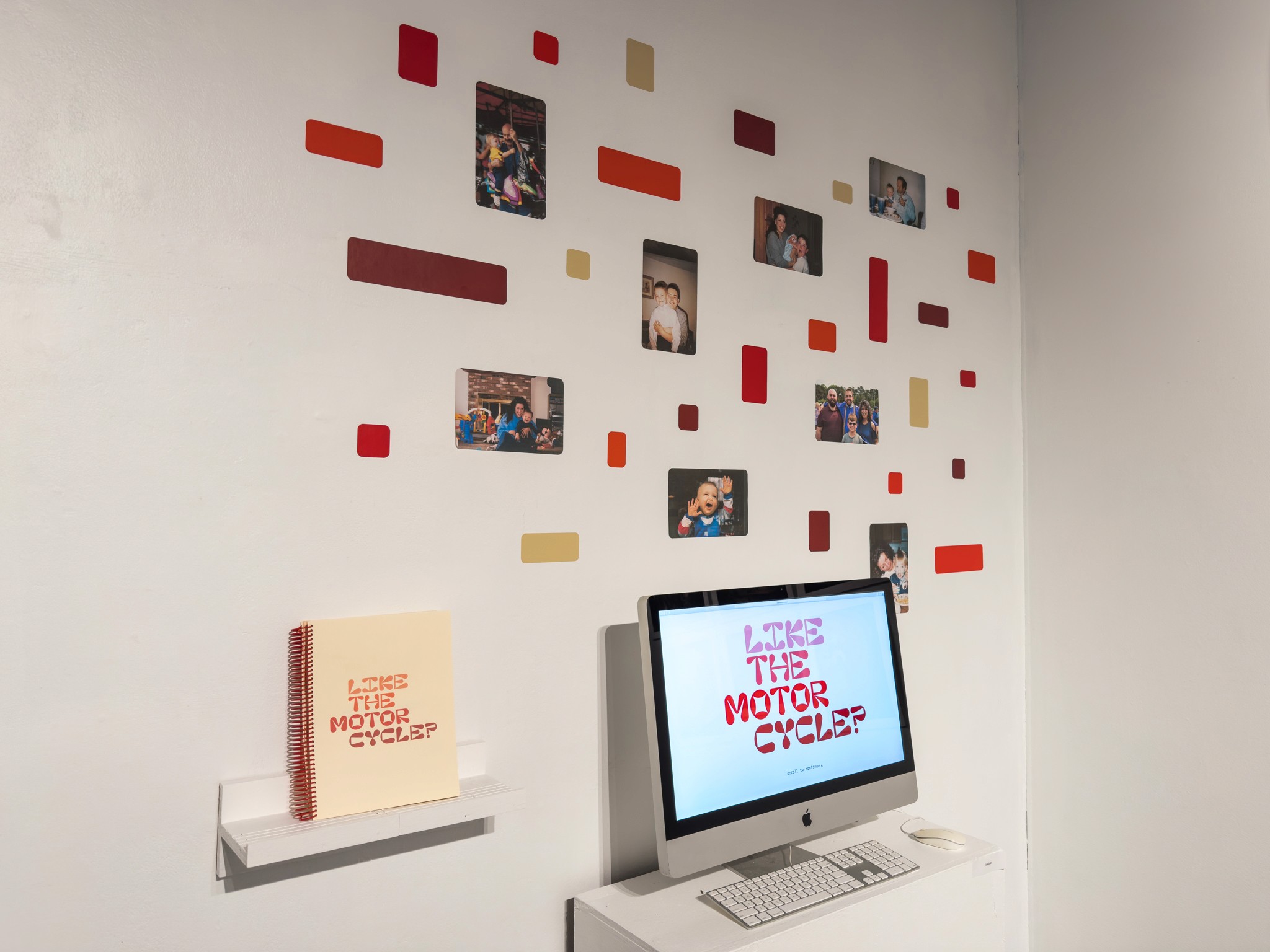
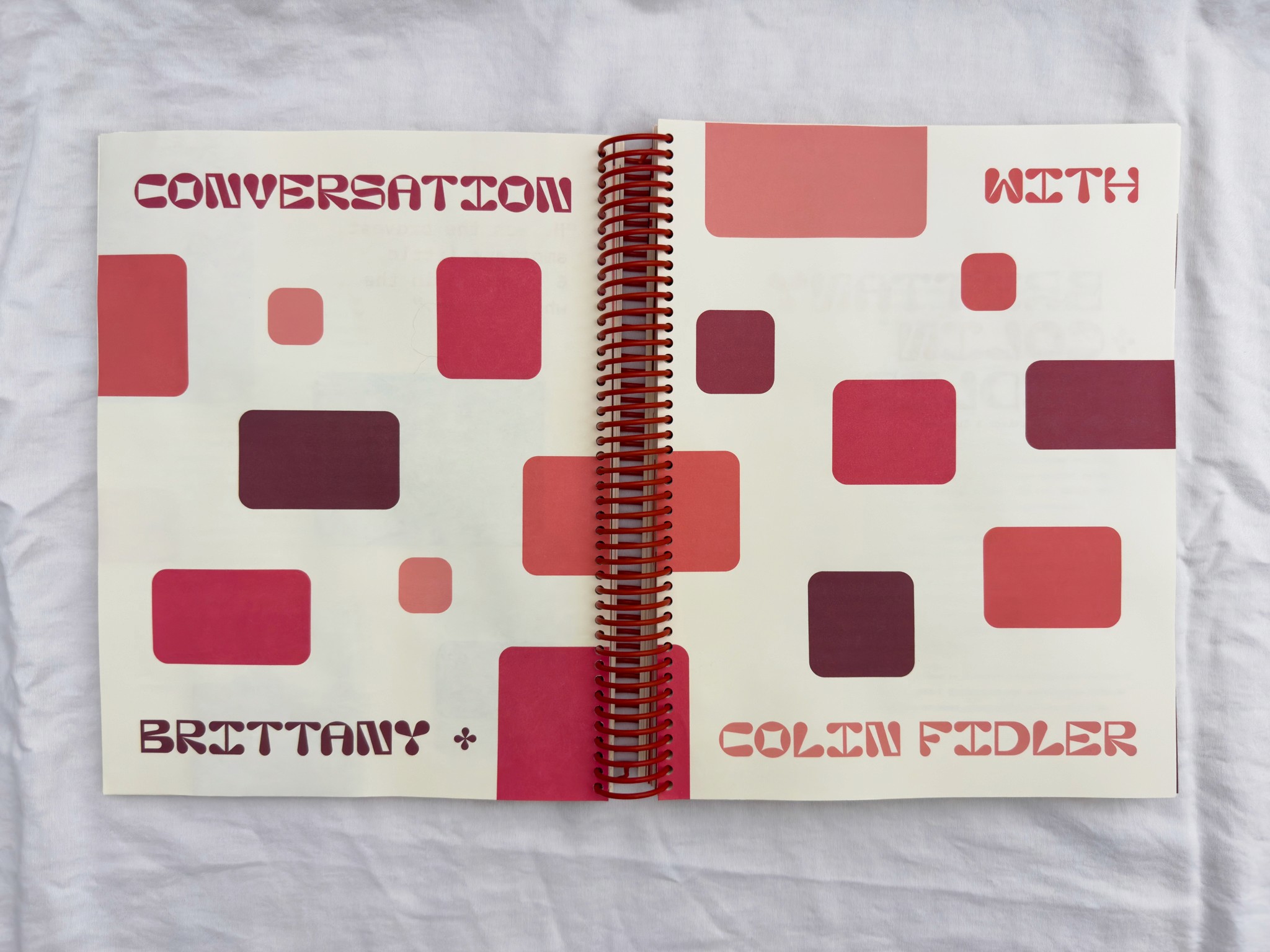
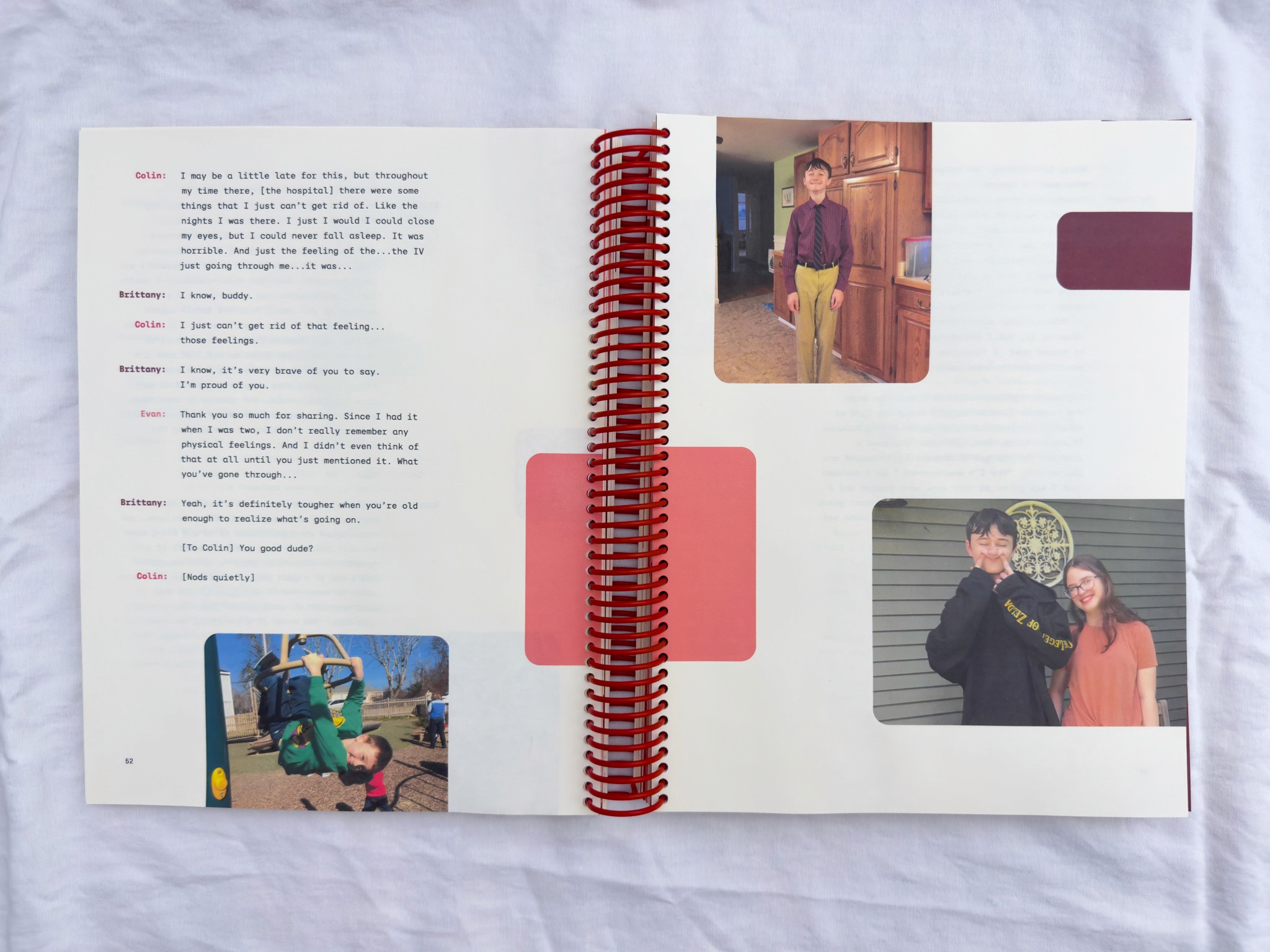
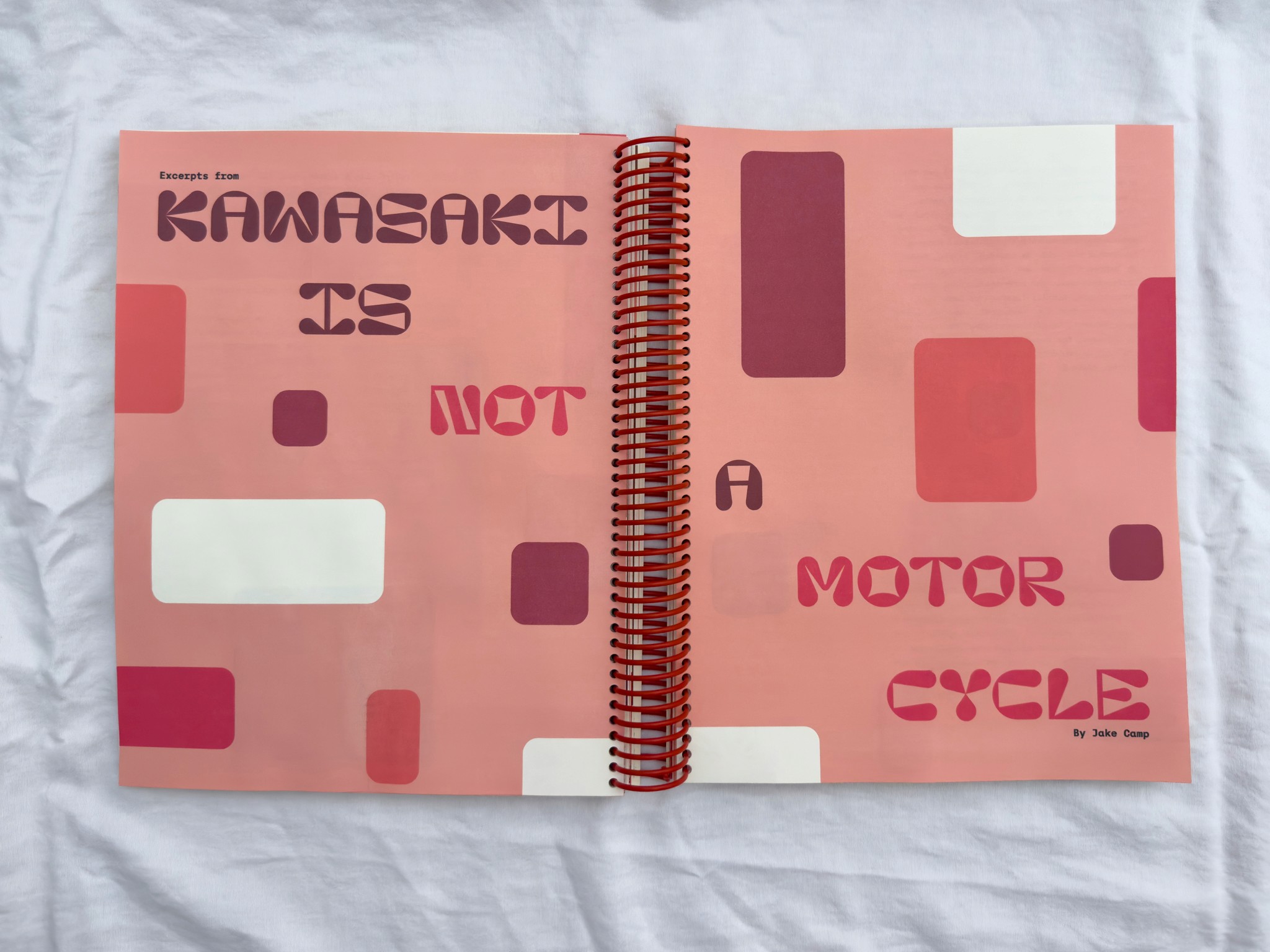
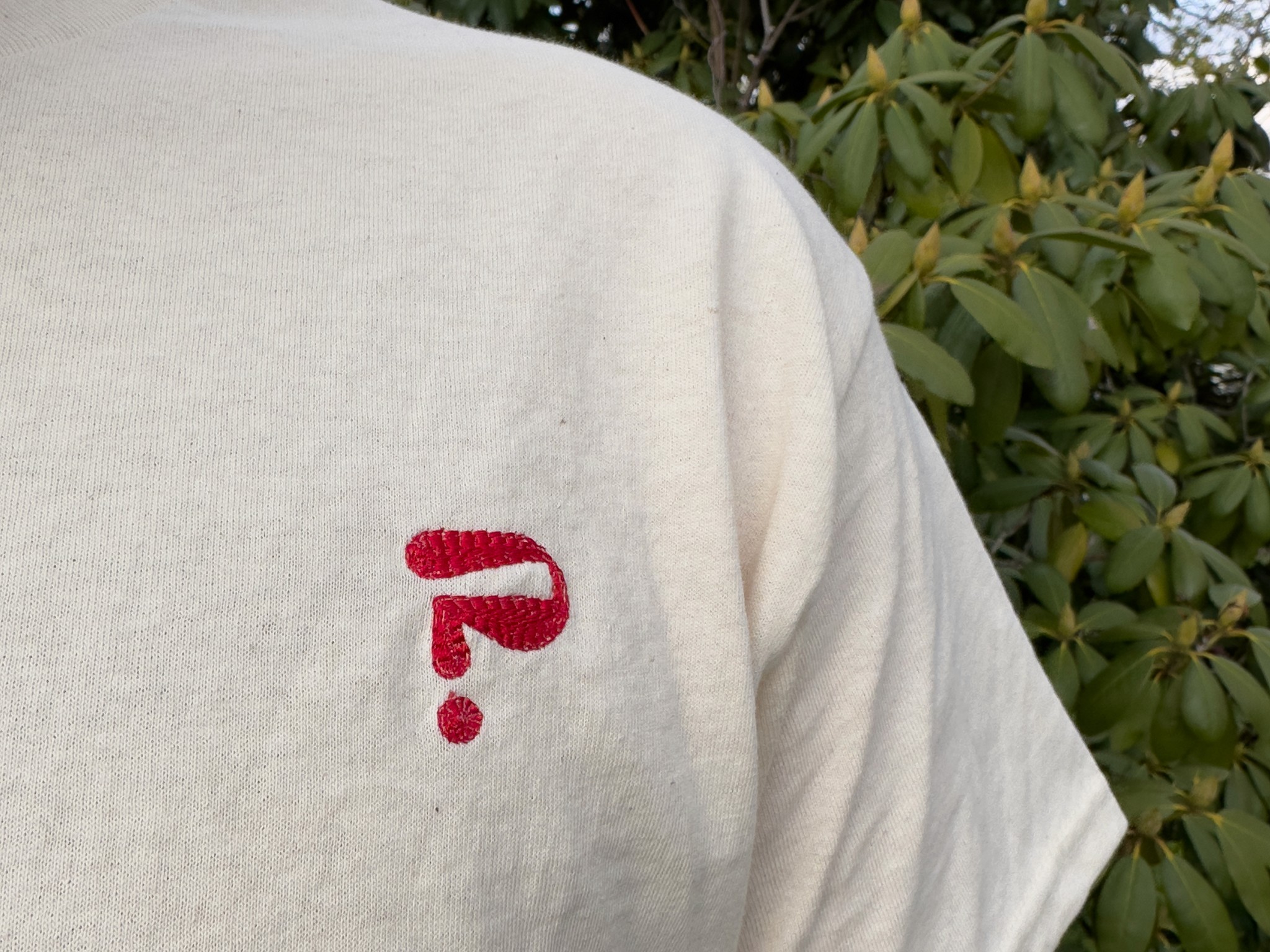
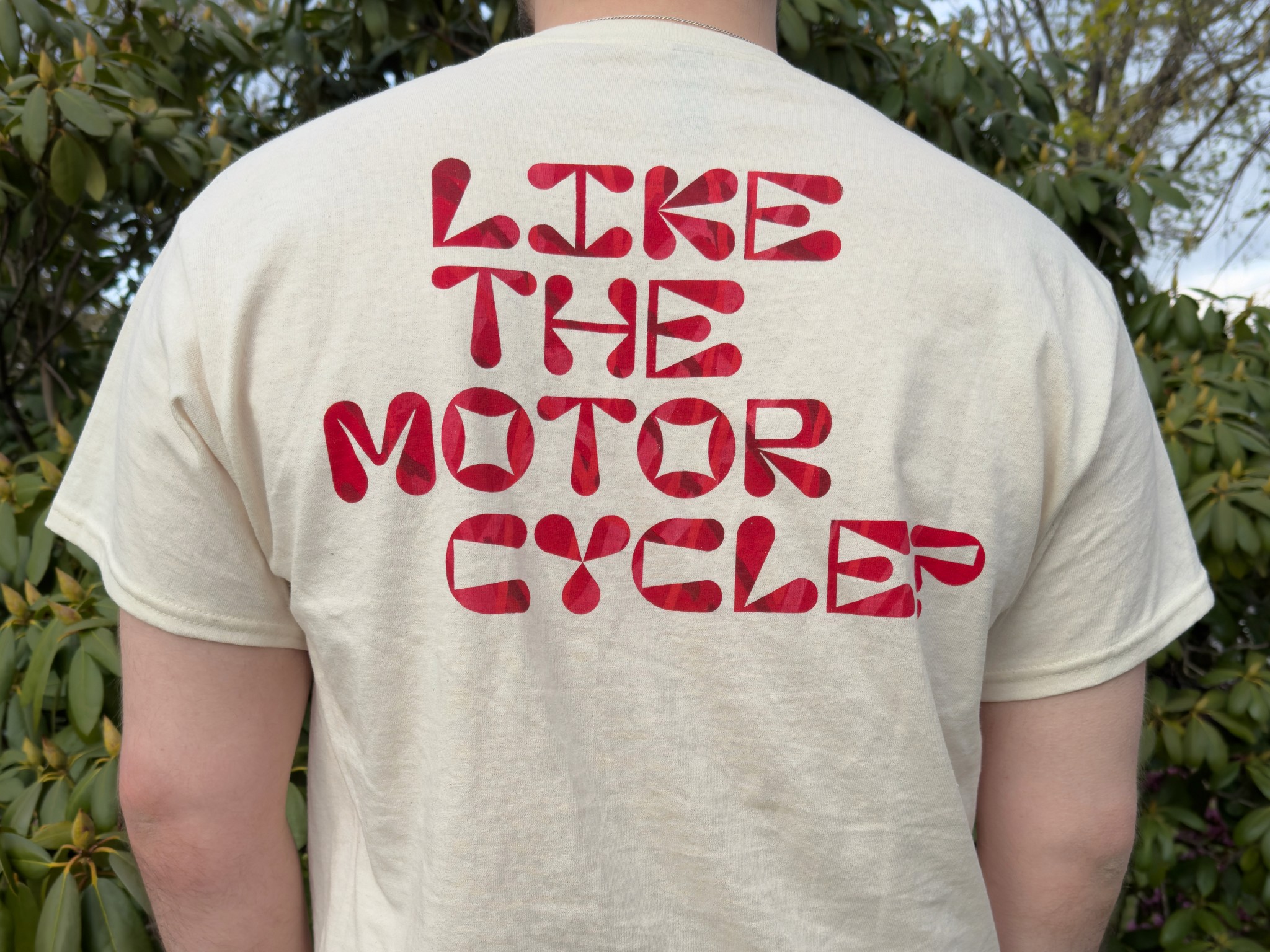
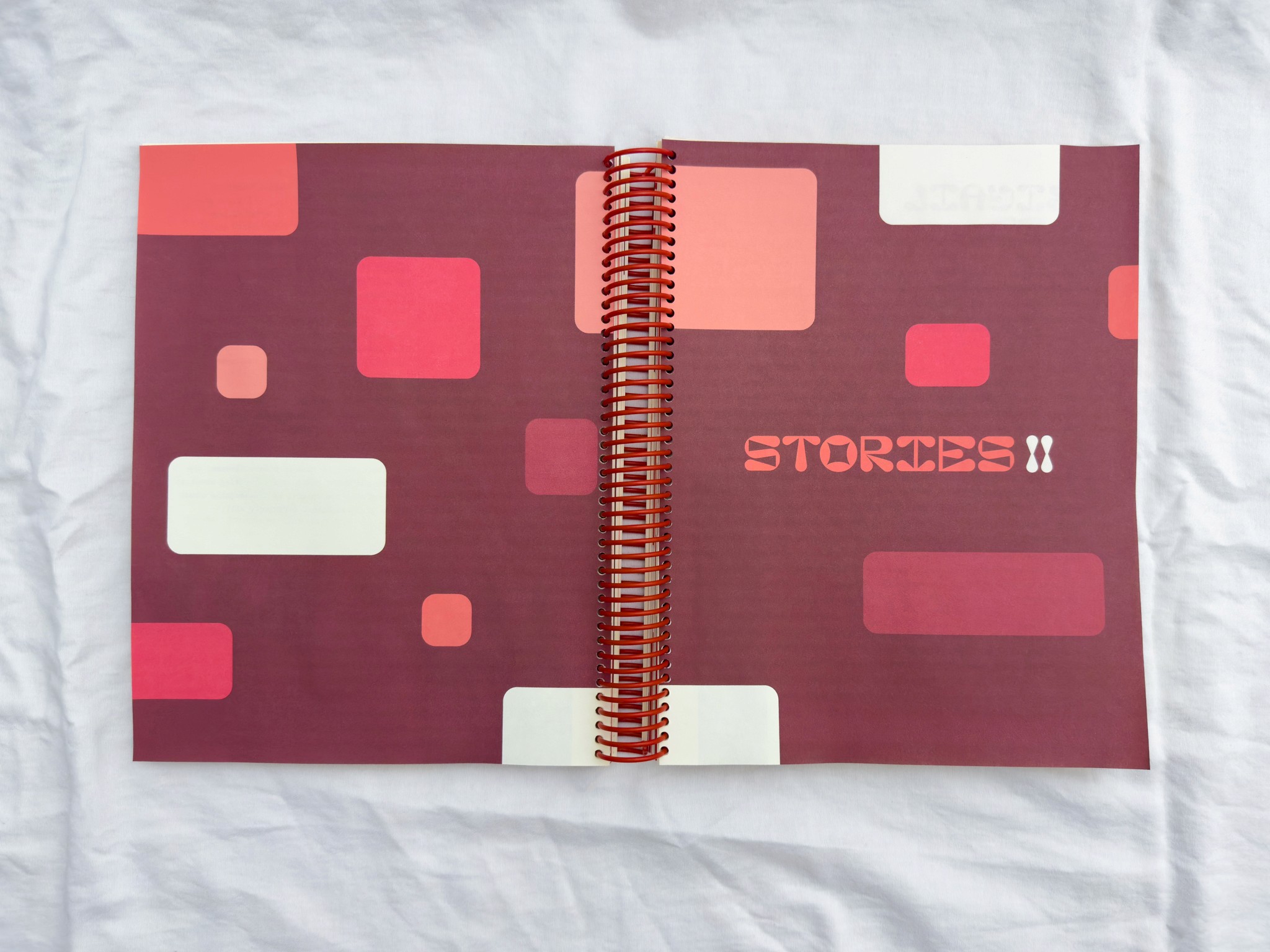
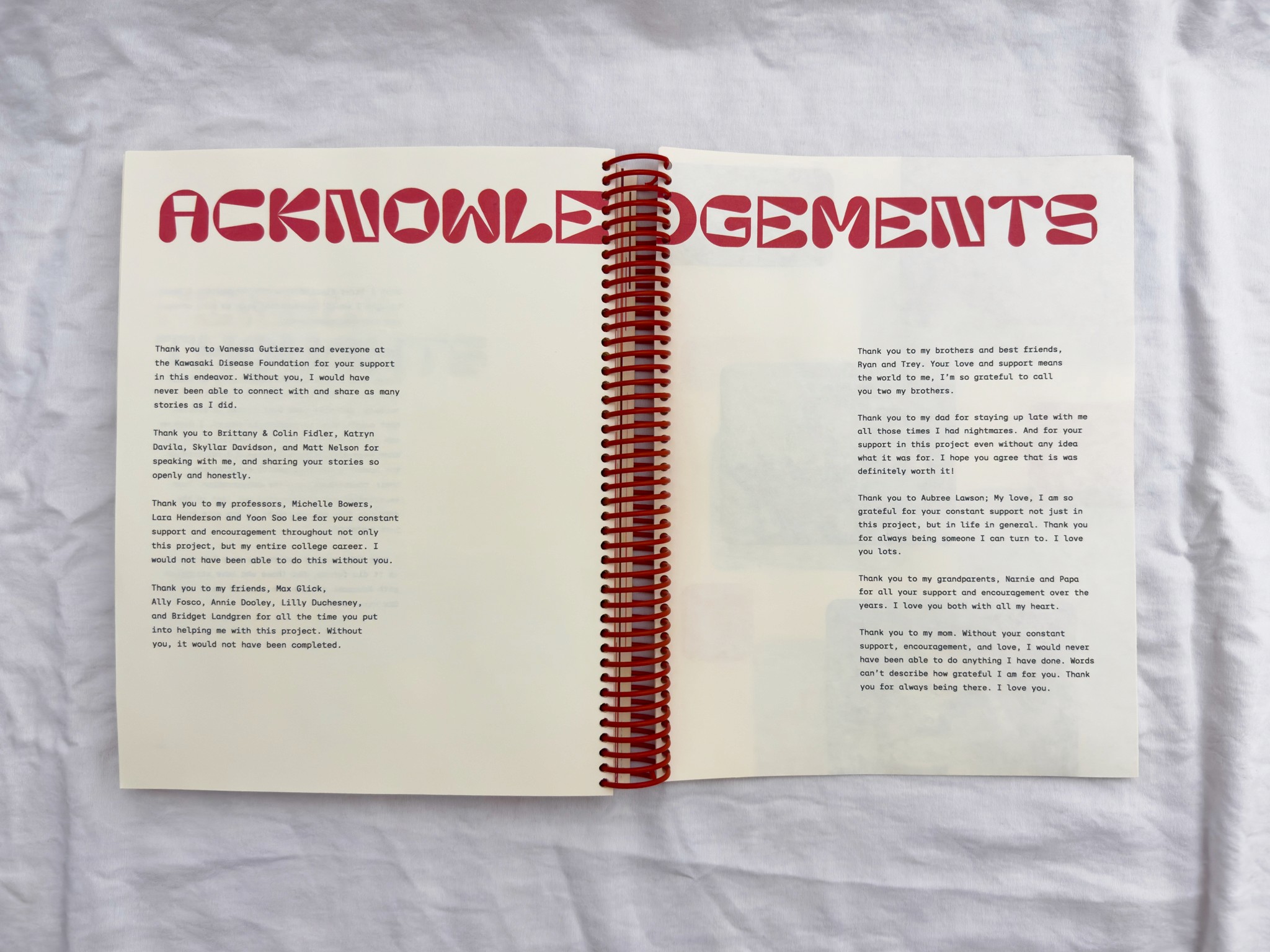
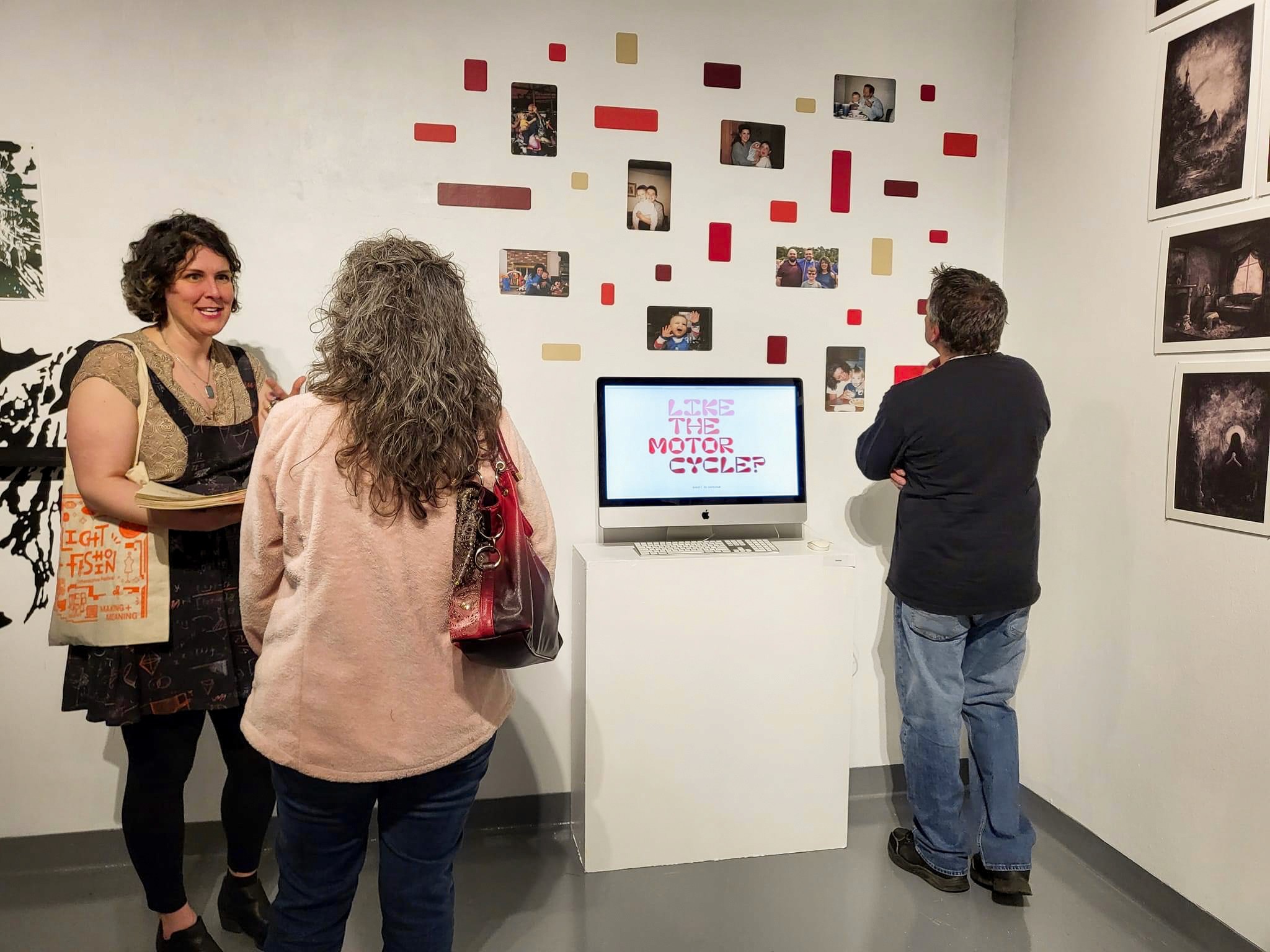
After lots of editing, tweaking, and crying, the project culminated into a display within the 2023 Art + Design Senior Exhibition on April 20. It consisted of both the published book, and the beginnings of the published website, screenprinted and embroidered T-shirts, as well as a vinyl and image installation on the gallery wall.
The gallery installation was made with the purpose of creating an intimate experience—To welcome the viewer into my world, and invite them to read the stories that so many others shared.
Final Thoughts
When I first started Like the Motorcycle, I never thought I would’ve connected with so many others who share my experience.
Before starting this project, I had always felt alone in my trauma, and
it never felt right. Now I have had the opportunity to speak with three other survivors, and their family members, and have read over almost 50 stories that people have so graciously shared. I hope we can change the traditional assumptions that are made when discussing illnesses and reintroduce the humanity—the real people experiencing their trauma—back into the conversation. Your experiences and stories that get lost in the data are just as important; We are more than just numbers.
While my capstone project is over, Like the Motorcycle? will continue
as an ongoing project. I plan to continue to update and improve the
website, create more volumes of the book, meet and converse with others, and create an exhibition dedicated to this project.
I hope this project can do the same for you all as it did for me.
For those who have struggled with Kawasaki disease:
You may be rare, but you are never alone.
Online Exhibition: 2023 Art + Design Senior Exhibition